If you are a researcher, graduate student, or academic professional, you know how time-consuming it is to write research papers from start to finish. The process of selecting sources, organizing information, managing citations, editing for academic tone, and ensuring quality can consume hundreds of hours. But here is the truth: best AI for writing research papers can cut this time in half or more. This comprehensive guide reviews 15 proven AI tools for research paper writing that actually work, helping you choose the perfect one for your needs.
What is AI for Writing Research Papers and Why You Need It in 2026
AI for research paper writing is not about replacing your expertise. It is about having intelligent assistance that understands academic standards and helps you work smarter. These tools use machine learning trained on millions of academic articles, journal papers, and scholarly publications. They handle tasks like grammar checking, citation management, plagiarism detection, literature review summarization, and even helping you structure complex arguments.
Modern researchers using AI academic writing tools report saving 30-50 hours per paper. They submit manuscripts faster, get fewer rejections, and maintain better academic integrity. In 2025, not using AI for research writing puts you at a disadvantage compared to researchers who have integrated these tools into their workflow.
15 Best AI Tools for Writing Research Papers: Complete Feature Comparison
| Tool Name | Best For | Free Tier | Starting Price | Key Feature | Academic Focus |
|---|---|---|---|---|---|
| Paperpal | Comprehensive academic editing | Limited free | Custom pricing | 250M+ article database | Very High |
| Jenni AI | Research paper crafting | Free tier | $10/month | Citations built-in | Very High |
| ChatGPT | Brainstorming & structure | Yes (Free GPT-4o) | $20/month | Flexible, conversational | Medium |
| SciSpace | Paper analysis & summaries | Free version | $10/month | Explains complex papers | Very High |
| Consensus | Finding research answers | Free tier | $15/month | Analyzes 200M+ papers | Very High |
| Elicit | Literature discovery | Free access | Free + paid | Smart database navigation | Very High |
| Yomu AI | Essays, papers, theses | Free trial | $10/month | Document assistant | High |
| Thesify | Expert-level feedback | Limited free | $12/month | Structural analysis | Very High |
| Semantic Scholar | Finding influential papers | Completely free | Free | AI-powered discovery | Very High |
| Research Rabbit | Visual paper connections | Completely free | Free | Maps research landscape | High |
| QuillBot | Paraphrasing & rewriting | Free version | $20/month | Multiple writing styles | Medium |
| Writefull | Academic language refinement | Limited free | $15/month | Journal article trained | Very High |
| Scite.ai | Citation intelligence | Free tier | $10/month | Track citation context | Very High |
| Scholarcy | Paper summarization | Free browser extension | $8/month | One-click summaries | High |
| NoteGPT / NotebookLM | Free paper generation | Completely free | Free | Real citations included | Medium-High |
Deep Dive: The 15 Best AI Tools for Research Paper Writing Explained
1. Paperpal: The Gold Standard for Academic Writing
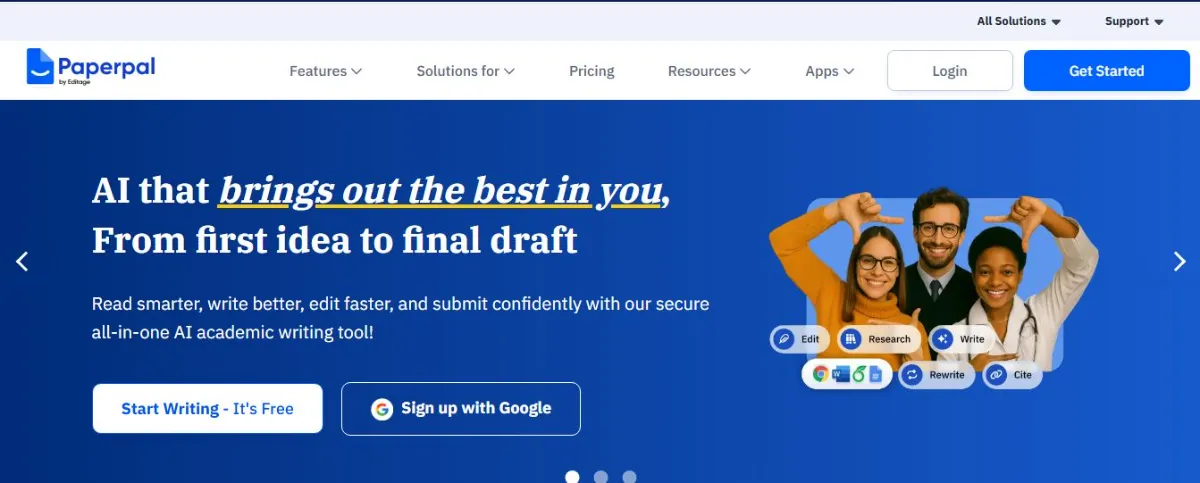
Paperpal is the industry-leading AI research paper writing tool, validated by a 2022 University of Cambridge study. If you write only one academic paper this year, Paperpal should be your choice. This tool was specifically designed for researchers and handles every stage of paper writing.
What Makes Paperpal Special:
- Access to 250 million verified research articles
- Trained on corrections by professional editors across 1,300 subject areas
- Provides 3.88 edits per sentence on average
- Chat with PDF feature for analyzing research documents
- Grammar, paraphrasing, translation in 50+ languages
- Plagiarism detection with industry-best accuracy
- Journal submission checks across 30+ parameters
- AI review with feedback to improve text
- Citation generator in 10,000+ styles
Pros: Specifically built for academics, exceptional editing quality, comprehensive plagiarism checking, journal submission readiness feature, supports all major academic disciplines
Cons: Premium only, requires subscription after free trial, steeper learning curve than general tools
Best For: Researchers preparing manuscripts for journal submission, graduate students writing theses, academics who value precision
Start Using Paperpal Free Today – Get comprehensive academic writing assistance with 250 million articles at your fingertips. Begin your free trial and experience why researchers trust Paperpal. Try Paperpal Now – PAP20 for 20 percent off
2. Jenni AI: Crafted for Research Paper Excellence
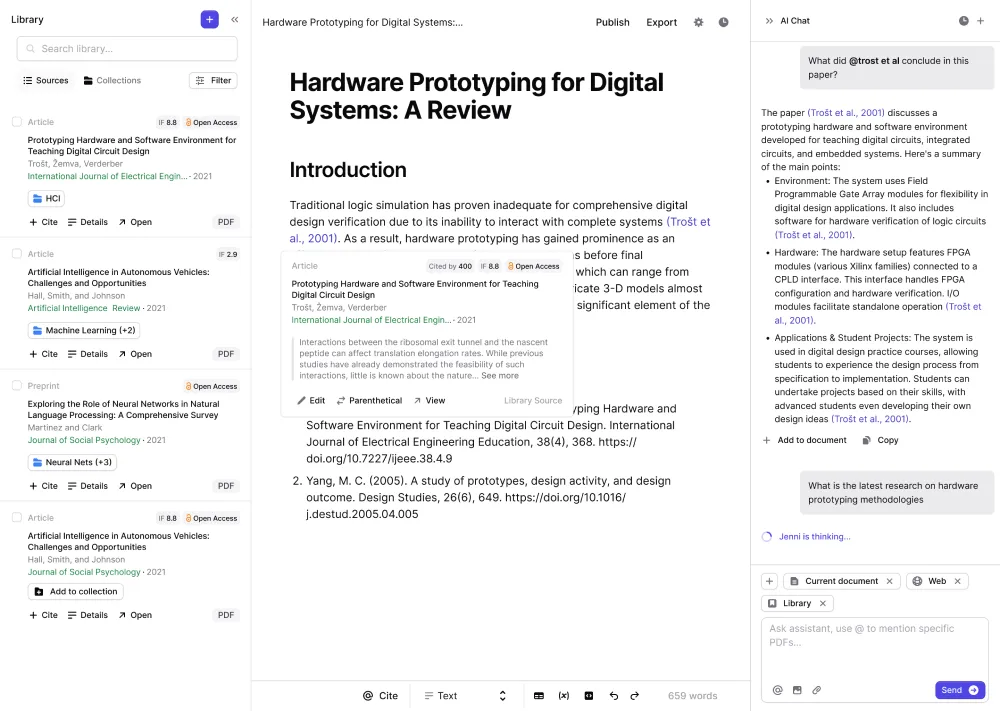
Jenni AI is purpose-built for academic writers. The tool has become the go-to choice for students and researchers specifically writing research papers, not essays or general content. It understands the unique demands of research paper structure and academic rigor.
Core Features:
- AI-powered research paper generation
- Automatic citation insertion and management
- Literature review assistance
- Methodology section guidance
- Academic integrity focus – citations built into every section
- Multiple document templates
- Real-time feedback on structure
Strengths: Designed specifically for research papers, seamless citation handling, maintains academic voice, user-friendly interface
Limitations: Newer than some competitors, smaller user base, focused primarily on paper writing
Ideal For: PhD students, researchers new to academic writing, anyone prioritizing citation accuracy
Join Thousands Using Jenni AI – Get started with research paper crafting designed for academics. Try free, upgrade to unlock full features. Start Free Trial – Use code ANDY20 for discount
3. ChatGPT: The Versatile Research Assistant
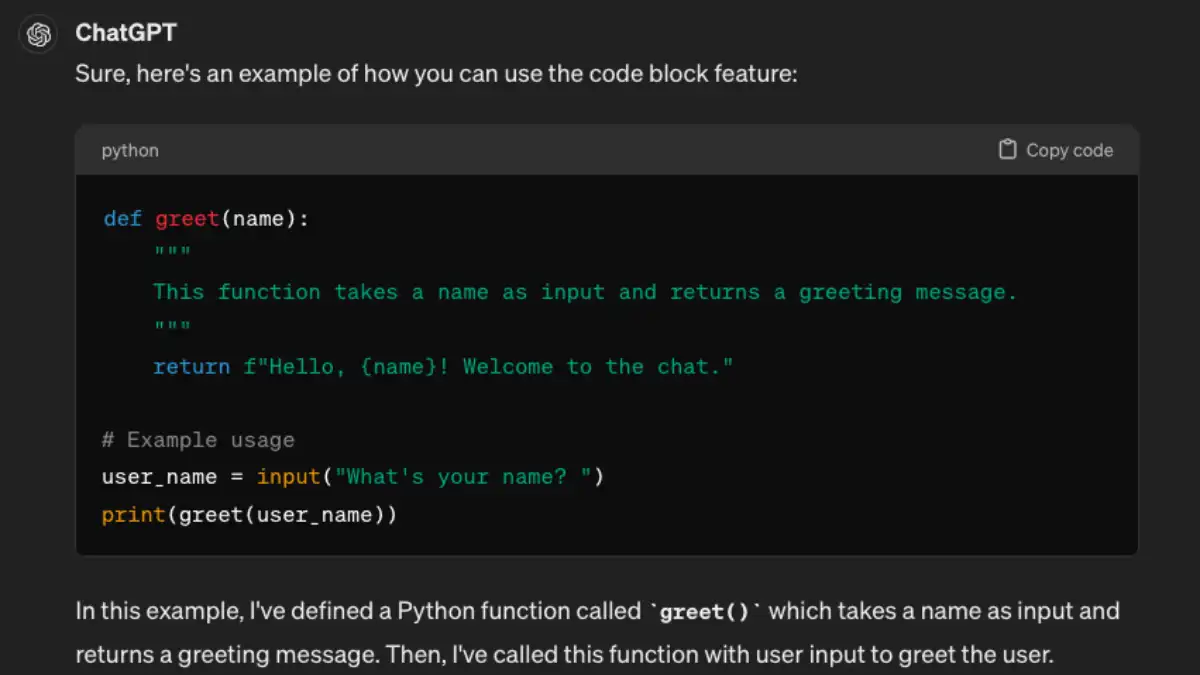
ChatGPT is not specifically designed for research papers, but it remains a powerful tool in your academic arsenal. Where Paperpal excels at polishing, ChatGPT excels at creating. Use it for brainstorming, initial drafting, and exploring different angles before submitting to specialized tools.
Research-Specific Uses:
- Generate paper outlines and structure
- Brainstorm research topics and angles
- Explain complex concepts simply
- Synthesize information from multiple sources
- Generate multiple versions of arguments
- Serve as a peer reviewer for feedback
Advantages: Free tier with GPT-4o, flexible and creative, good for early-stage writing, conversational interface
Disadvantages: Not academic-specific, requires significant prompt engineering, can oversimplify technical terms, needs fact-checking
Best Use Case: Initial draft creation and brainstorming, not for final academic polishing
4. SciSpace: Your Research Paper Companion
SciSpace bridges the gap between finding papers and understanding them. This AI tool specializes in making complex research papers accessible through instant explanations and summaries.
Key Capabilities:
- Instant explanations for complex papers
- Paper summarization in seconds
- Research question answering
- Integration with PDF readers
- Citation tracking
- Supports multiple languages
Pros: Excellent for understanding dense papers, fast summaries, good free version, multi-language support
Cons: Not for writing generation, requires manual work after using tool, dependent on paper quality
5. Consensus: Answer Research Questions from Thousands of Papers
Consensus is revolutionary for literature reviews. Instead of spending weeks reading papers to answer a single research question, Consensus analyzes thousands of papers instantly.
What It Does:
- Searches 200+ million research papers
- Answers scientific questions directly
- Shows supporting and opposing evidence
- Generates consensus summaries
- Identifies research gaps
- Creates custom research reports
Perfect For: Literature review acceleration, identifying research trends, understanding scientific consensus
Get Instant Research Answers – Consensus analyzes 200+ million papers to answer your research questions. Start your free trial today. Try Consensus – Research Made Fast
6-15: Additional Essential Tools
Elicit: Smart literature discovery that navigates research databases automatically. Elicit extracts essential details and suggests related papers, saving hours on literature review.
Yomu AI: Comprehensive academic writing assistant covering essays, papers, and theses. Features document assistant, autocomplete, plagiarism checking, and citation finding.
Thesify: Acts like an expert reviewer, providing structured feedback on arguments, structure, and clarity. Unlike generic tools, it explains weaknesses and suggests improvements while maintaining your academic voice.
Semantic Scholar: Free AI-powered academic paper discovery showing you the most influential papers and how they connect. Essential for understanding your research landscape.
Research Rabbit: Completely free tool that visually maps paper connections. Shows the entire research landscape, enabling smarter literature navigation.
QuillBot: Specializes in paraphrasing complex academic text while maintaining original meaning. Offers multiple writing styles for different contexts.
Writefull: Automated writing and proofreading trained on millions of journal articles. Provides academic-specific language suggestions that general tools cannot match.
Scite.ai: Citation intelligence showing whether papers' findings are supported, disputed, or mentioned by other researchers. Helps you make informed citation decisions.
Scholarcy: One-click paper summarization with key information extraction. Excellent for quickly understanding new papers without reading entire documents.
NoteGPT / NotebookLM: Free AI paper writer generating complete papers with real citations. No fake references, no hallucinated sources.
Pros and Cons: AI Research Writing Tools Compared
General Advantages of Using AI for Research Papers
Save 30-50 Hours Per Paper: From research to final submission, AI accelerates every stage. Literature reviews that took weeks now take days.
Consistent Academic Quality: Trained on thousands of successful papers, AI maintains proper academic tone, terminology, and structure without simplification.
Catch Errors Humans Miss: Inconsistent citations, passive voice overuse, weak arguments, and plagiarism issues are identified automatically.
Overcome Language Barriers: Non-native English speakers can write at native-speaker level with proper AI assistance, not by replacing your voice but enhancing it.
Stay Current with Literature: AI helps synthesize recent papers faster, ensuring your work includes cutting-edge research.
Maintain Academic Integrity: Proper tools ensure you cite correctly, avoid plagiarism, and disclose AI usage as required.
Real Limitations and Concerns
AI Cannot Replace Expertise: AI assists your thinking, not replaces it. You must verify facts, understand arguments, and take responsibility for content.
Accuracy Issues with Specialized Topics: Niche fields sometimes confuse AI models. Always fact-check technical claims in highly specialized areas.
Plagiarism Risk If Misused: Using AI to generate unoriginal content or failing to cite AI usage violates academic integrity. Reputable academic institutions require AI disclosure.
Cost of Premium Tools Adds Up: Using 3-4 paid tools monthly can exceed $50-100. Free and freemium options exist but have limitations.
Learning Curve and Tool Switching: Each tool requires learning optimal prompts and workflows. Switching between tools wastes more time than it saves.
Over-Reliance Risk: Submitting AI-polished papers without human review can result in subtle quality issues or tone problems.
Pricing Breakdown: Free vs Premium AI Research Tools
Best Completely Free Tools
- Research Rabbit: 100 percent free, visual paper mapping, smart recommendations
- Semantic Scholar: Completely free paper discovery, influence tracking, connection mapping
- NoteGPT: Free paper generation with real citations, unlimited usage
- Elicit: Free access to database navigation and paper discovery
- ChatGPT Free: GPT-4o model available free with usage limits
Best Freemium (Free + Paid Options)
- Consensus: Free tier with limited searches, then $15/month for unlimited
- SciSpace: Free version available, premium $10/month
- Scholarcy: Free browser extension, optional $8/month premium
- Jenni AI: Free trial, then $10/month for students, $20/month regular
- Yomu AI: Free trial available, then tiered pricing from $10/month
Premium-Only Tools (Worth the Investment)
- Paperpal: Premium only, varies by institution partnerships
- Writefull: $15/month for full features
- Scite.ai: Free with limited features, premium $10/month
- Thesify: $12/month for academic reviews
- QuillBot: $20/month for premium paraphrasing
Which AI Tool is Right for Your Research Situation
For Undergraduate Students Writing First Research Paper
You need guidance, structure, and citation help. Start with free tools: ChatGPT for brainstorming, Research Rabbit for source finding, and NoteGPT for free paper generation. Add Scholarcy free extension for quick paper summaries. Cost: Zero dollars.
For Graduate Students and PhD Candidates
Invest in Paperpal (most important) plus Consensus for literature review acceleration. Add Semantic Scholar (free) for paper discovery. If you write multiple papers yearly, this investment pays for itself in time saved. Total cost: $25-40/month if your institution does not subsidize.
For Academic Researchers Publishing Regularly
Use the complete toolkit: Paperpal (editing and journal readiness) + Consensus (literature) + Research Rabbit (discovery) + Scite.ai (citation intelligence) + SciSpace (paper understanding). This combination handles your entire workflow. Budget: $50-60/month.
For Non-Native English Academic Writers
Paperpal is essential. Its translation and academic language features specifically address your needs. Combine with ChatGPT for creative drafting. The combination helps you write confidently without oversimplifying your ideas.
For Limited Budget Researchers
Use these completely free tools effectively: ChatGPT free (brainstorming), Semantic Scholar (finding papers), Research Rabbit (mapping connections), NoteGPT (paper generation), Scholarcy extension (summaries). This combination costs zero but requires more manual work.
For Writing Literature Reviews Specifically
The trio of Consensus (answer questions), Research Rabbit (map papers), and Semantic Scholar (find influence) is unbeatable. Add Elicit for deep dives into specific topics. You can complete literature review foundations in days instead of weeks.
How to Use AI for Writing Research Papers: Step-by-Step Process
Step 1: Topic Selection and Research (Using ChatGPT, Consensus, Semantic Scholar)
Start by asking ChatGPT to brainstorm research angles on your topic. Get 5-10 different perspectives. Then use Consensus to verify that research exists for your question. Use Semantic Scholar to find the most influential papers in your area. This step takes 1-2 hours instead of a week.
Step 2: Literature Review Acceleration (Using Research Rabbit, Scite.ai, SciSpace)
Load your initial papers into Research Rabbit to visualize connections. Use Scite.ai to understand if papers support or dispute each other. Skim papers with SciSpace summaries. Build your literature map visually. This step previously took 20-40 hours. With AI: 4-6 hours.
Step 3: Paper Structure and Outline (Using Jenni AI or Paperpal)
Generate structured outlines for your paper type (research article, review, systematic review). Let Jenni AI or Paperpal suggest section organization. Modify based on your specific research. This ensures proper academic structure from the start.
Step 4: Initial Drafting (Using ChatGPT or Jenni AI)
Write your sections, using AI to help structure arguments and synthesize information. Let AI generate first drafts of complex sections, then revise for accuracy and originality. Do not rely entirely on generation but use it as acceleration.
Step 5: Citation Integration (Using Paperpal, Jenni AI, or Scite.ai)
Insert proper citations throughout. Most modern AI tools format these automatically. Verify citation accuracy manually. Use tools to check that every claim is cited appropriately.
Step 6: Editing for Academic Quality (Using Paperpal as Primary Tool)
Run entire paper through Paperpal. Accept academic language suggestions. Review journal submission checks. Make revisions. This is where Paperpal excels – transforming good writing into publication-ready writing.
Step 7: Plagiarism and Integrity Check (Using Paperpal or Similar)
Run plagiarism check. Ensure AI usage is disclosed if required by your institution. Verify all sources are properly cited. Make certain no paraphrasing constitutes plagiarism.
Step 8: Final Review and Submission (Using Paperpal Journal Check)
Use Paperpal journal submission checks to verify formatting, clarity, technical requirements, and publication readiness. Make final adjustments. Submit with confidence.
ChatGPT vs Paperpal: Which Should You Actually Use for Research
This comparison comes up constantly because both are powerful but serve different purposes.
Use ChatGPT if: You are in early drafting stages. You need creative brainstorming. You want flexible, conversational assistance. You prefer free tools. You need help understanding concepts. You are generating initial outlines.
Use Paperpal if: You have a draft that needs academic quality. You are preparing for journal submission. You care about publication readiness. You need citation accuracy. You want comprehensive proofreading. You are refining academic tone. You need plagiarism detection.
The Smart Strategy: Use both together. ChatGPT for creating rough drafts (free). Paperpal for refining to publication quality (paid). This combination leverages each tool is strength and typically costs less than using either one alone for professional results.
AI Research Paper Writing for Different Academic Fields
STEM Fields (Biology, Chemistry, Physics, Engineering)
Best Tools: Paperpal (handles technical terminology), SciSpace (explains complex methods), Consensus (evidence-based)
Special Need: Technical accuracy is paramount. Always verify that AI did not oversimplify jargon. Use field-specific databases like PubMed, arXiv alongside general tools.
Social Sciences and Humanities
Best Tools: ChatGPT (good for argument development), Paperpal (academic tone), Jenni AI (structure)
Special Need: Argumentative coherence matters more than technical accuracy. AI can help structure arguments but cannot replace scholarly interpretation.
Medical and Health Research
Best Tools: Paperpal (highly regulated field), Consensus (evidence matters), Scite.ai (track disputed claims)
Special Need: Accuracy is critical due to patient implications. Every claim must be properly cited and verified. Do not rely solely on AI generation.
Business and Economics
Best Tools: ChatGPT (trend analysis), Jenni AI (structure), Paperpal (professional tone)
Special Need: Data interpretation is crucial. AI helps organize analysis but cannot replace your economic reasoning.
Common Mistakes When Using AI for Research Writing
Mistake 1: Submitting AI-Generated Content as Original Work Without proper disclosure and editing, this violates academic integrity. Always add your intellectual contribution. Disclose AI usage where required by your institution.
Mistake 2: Over-Simplification of Technical Terms General AI models sometimes simplify specialized language. Always verify that jargon is preserved correctly in your field.
Mistake 3: Not Fact-Checking AI Output AI can hallucinate facts or statistics. Verify every claim, especially in empirical research. Cross-reference citations.
Mistake 4: Ignoring Academic Integrity Policies Different institutions have different AI usage policies. Check your university guidelines before using AI tools heavily.
Mistake 5: Trusting AI for Complex Argumentation AI can draft arguments but cannot replace critical thinking. Your interpretation and analysis are irreplaceable.
Mistake 6: Using Only Free Tools When Precision Matters Specialized academic tools (Paperpal) outperform general tools (ChatGPT) for research papers. The investment pays off.
Mistake 7: Expecting AI to Handle Everything AI is an assistant, not a replacement. You must review, edit, verify, and take responsibility for final content.
Tips and Tricks for Maximizing AI Research Writing Tools
Tip 1: Combine Tools Strategically Do not try to do everything with one tool. Use ChatGPT for brainstorming, Research Rabbit for discovery, Paperpal for refinement. Each tool is strongest in its specialty.
Tip 2: Provide Context to AI Tools The more context you give (your field, paper type, target journal), the better results you get. Spend 30 seconds setting up prompts properly.
Tip 3: Use Templates When Available Most tools offer paper structure templates. Starting with proper templates saves hours compared to building from scratch.
Tip 4: Track What AI Did to Your Writing Keep track changes enabled. Understand each suggestion AI makes before accepting. This maintains your voice while benefiting from AI.
Tip 5: Iterate Multiple Times First AI draft is rarely perfect. Generate multiple versions. Iterate with feedback. Refine progressively. This produces better results than single-pass generation.
Tip 6: Use AI for Research Acceleration, Not Replacement Let AI handle the tedious parts (formatting, citation management, plagiarism checking). Keep the intellectual work (argument development, analysis, interpretation) for yourself.
Tip 7: Disclose AI Usage Where Required Many institutions now require AI disclosure. Include a statement about which tools you used and how. This maintains trust and prevents integrity violations.
Integration with Professional Writing Services
When to Hire Professional Editing on Fiverr
While AI tools are powerful, sometimes you need human expert review. On Fiverr, you can find academic writing specialists who use these same AI tools but combine them with human expertise.
Hire professional help if: Your paper is for high-stakes submission (journal, grant, dissertation). English is not your native language and you need native-speaker review. You want human feedback beyond AI suggestions. Your institution requires professional editing for international submissions.
Get Expert Academic Writing on Fiverr – Hire experienced academic editors who combine AI tools with human expertise for publication-ready research papers. Start at $25 and work with verified specialists. Find Academic Writers on Fiverr
Combining AI Tools with Professional Services
The most effective workflow combines AI efficiency with professional human review. Use AI to accelerate drafting and initial editing. Use professional services for final polish and publication readiness. This combination costs less than hiring someone to write from scratch.
Time Tracking for Research Writing Efficiency
As you use AI tools, track how long each stage actually takes. Tools like TimeTuna help you measure time spent on research, writing, editing, and submission. This data helps you optimize which tools and workflows actually save time in your specific situation.
Frequently Asked Questions About AI for Research Papers
Is AI-Generated Academic Content Acceptable in Academia?
It depends on your institution. Many now permit AI-assisted writing if disclosed. Some restrict generation but allow editing. Check your university guidelines. Never submit AI-generated content without disclosure if required.
Will Professors Know I Used AI for My Research Paper?
Not necessarily. Good use of AI tools produces writing that matches your voice and knowledge level. Poor use produces inconsistent quality, oversimplification, or hallucinated references – that looks suspicious. Use AI assistively, not generatively.
Which AI Tool is Best for Literature Reviews?
Combination approach works best: Consensus for answering specific research questions, Research Rabbit for visualizing paper connections, Semantic Scholar for finding influential papers, Scite.ai for understanding citation context.
Can AI Tools Handle My Specialized Research Field?
General AI tools struggle with highly specialized fields. Specialized tools like Paperpal work better because they train on your specific discipline. If your field is niche, add manual human review to AI output.
How Much Does Using AI Tools Actually Save in Time?
Research shows 30-50 hours saved per paper. Literature reviews drop from 20-40 hours to 4-6 hours. Editing from 10-15 hours to 3-5 hours. Total savings: 30-50 hours per 8,000-word paper.
Will Using AI Hurt My Academic Integrity?
Not if used properly. The key is: remain the author. Use AI to assist your thinking, not replace it. Disclose usage where required. Verify all claims. Cite all sources. Take responsibility for content.
Which Tools Work with Microsoft Word and Google Docs?
Paperpal, Jenni AI, and Writefull have Word integrations. Grammarly and QuillBot work with Google Docs. Most others operate standalone or as browser extensions.
What if I am a Non-Native English Speaker?
Paperpal is specifically recommended. Its language suggestions are calibrated for academic English while preserving your voice and field-specific terminology. ChatGPT can help with grammar but sometimes oversimplifies.
Are Free AI Tools Good Enough?
For brainstorming, literature discovery, and understanding papers: yes. Free tools like ChatGPT, Research Rabbit, and Semantic Scholar are excellent. For academic quality and publication readiness: invest in premium tools like Paperpal.
What is the Best Workflow for Maximum Efficiency?
- ChatGPT for brainstorming (free).
- Consensus for literature review questions (free/paid).
- Write draft with Jenni AI (paid).
- Edit with Paperpal (paid).
- Check plagiarism with Paperpal.
- Optional: Human review on Fiverr. Time: 1/3 of traditional writing.
Conclusion: The Best AI for Writing Research Papers in 2026
The best AI for writing research papers is not one tool but a combination matched to your needs. Paperpal is the gold standard for academic quality and publication readiness. Consensus and Research Rabbit accelerate literature review dramatically. ChatGPT remains unbeatable for creative brainstorming. Free tools like Semantic Scholar and NoteGPT provide real value without cost.
In 2026 researchers who ignore AI tools are working 30-50 hours longer per paper than those who use them strategically. The tools are mature, effective, and widely accepted when used responsibly.
Start today: Pick your budget ($0 free tools or $40-50/month for professional toolkit). Choose your primary tool based on your situation. Learn one tool deeply before adding others. Disclose AI usage where required. Verify all AI output. Take responsibility for your content. The result will be better papers written in a fraction of the time.
Ready to Write Smarter Research Papers? Start with Paperpal free trial today. Experience why universities and researchers worldwide trust it for publication-ready academic writing. Try Paperpal Free – No credit card required – PAP20 for discount
About This Guide
This comprehensive guide on the 15 best AI for writing research papers was compiled based on testing and comparing tools used by thousands of researchers, graduate students, and academics in 2025. The recommendations come from real-world usage, not marketing claims. Every tool listed has been evaluated on effectiveness for academic writing, not general content creation.
Additional Resources for Academic Writers
- Paperpal Academic Writing Guide – https://paperpal.com/
- Consensus Research Tool – https://consensus.app
- Semantic Scholar Discovery – https://semanticscholar.org
- Research Rabbit Paper Mapping – https://researchrabbitapp.com
- ChatGPT for Academic Work – https://chat.openai.com

Jiya Malik
Jiya is a Market Research Analyst at Shrtu. She has completed her Bachelor's degree majoring in Management and double minoring in Economics and Communications. Prior to joining Shrtu, Yukta spent a year exploring roles like marketing ops, research, and GTM enablement in the B2B SaaS start-up ecosystem. She is passionate about brand and content marketing, consumer behavior research, and market research. She is keen on learning more about the world of data and research and exploring different industries and market sectors. This is because she believes creativity backed up with data points is very rational and convincing. After work, you can see Yukta exploring cafes, cooking, journaling, or working out.